
James Hemings shaped a nation’s palate while the nation refused to speak his name.
Born enslaved in the 18th century, James Hemings lived and worked at Monticello under Thomas Jefferson.
He was trained as a chef in France, mastering techniques most Americans had never seen or tasted. He learned sauces, pastries, ice creams, and refined methods that transformed how food was prepared and served.
When he returned to America, those techniques came with him.
They became American.
Macaroni and cheese.
Refined sauces.
Elegant plating.
Desserts meant to be lingered over.
These weren’t trends.
They were foundations.
And James Hemings was the hands behind them.
James Hemings cooked at the highest tables — yet he did not own himself.
He was expected to create beauty while living without freedom.
To refine taste while enduring injustice.
To elevate others while remaining invisible.
He was also the older brother of Sally Hemings.
Both siblings lived under the same roof at Monticello.
Both were bound to the same man.
Both carried different burdens of the same system.
James navigated his captivity through skill, restraint, and intellect.
And still — he negotiated his freedom.
He didn’t storm the kitchen.
He didn’t burn it down.
He bargained carefully, strategically, and bravely — securing his release in exchange for training his replacement, his brother, Peter
Freedom came late.
Recognition never really came at all.
He died young. Just two months after securing his freedom.
His influence lived on without attribution.
He was victorious without reward.
James Hemings reminds us that culture is often shaped by people whose names history forgets — but whose work it cannot erase.
“Give us this day our daily bread.” — Matthew 6:11
Bread is sustenance.
Bread is culture.
Bread is memory.
What we eat carries history — whether we name it or not.
James Hemings fed a nation that did not know his name.
If you have ever poured skill into work that bore someone else’s signature,
created beauty in a place that did not fully see you,
shaped something lasting without receiving credit,
or learned excellence under pressure and restraint,
James Hemings stands with you.
God sees the hands that prepare nourishment — not just for bodies, but for culture itself.
We see you, James.
We honor the way you changed the taste.
Bread Crumbs — for those coming after us.
Victorious without reward. Still here.
Love, Chelle
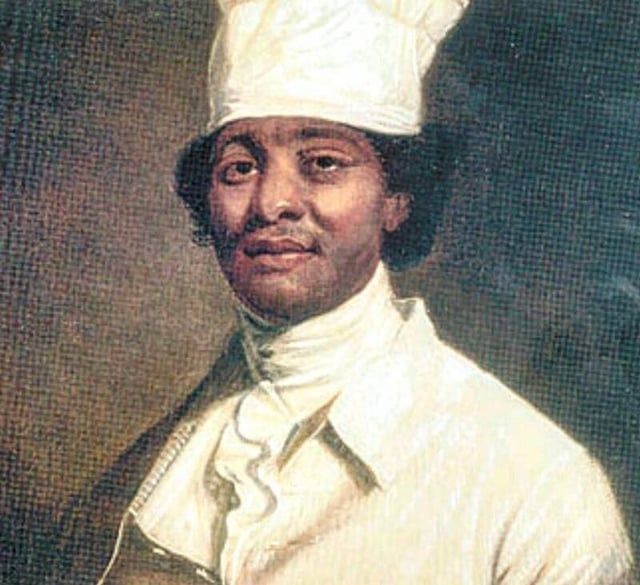
Historical Context & Image Note:
This reflection draws from documented Monticello and Hemings family records; no verified historical photograph of James Hemings exists, so a respectful illustration is used in place of a photographic image.

 defygravitywithoutwings.com